
Similar Posts
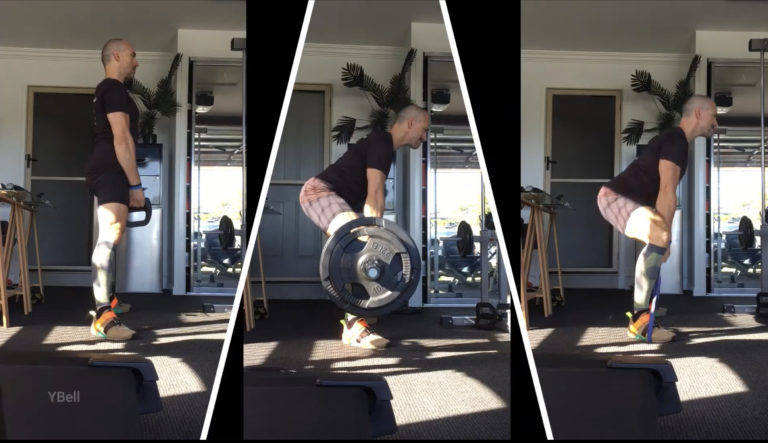
A Brief Analysis Of The Differences Between The Sumo and Conventional Deadlift
The Sumo deadlift (sagittal-frontal planes) is a popular resistance training exercise for strength athletes, powerlifters and experienced gym enthusiasts, but it is not an exercise that you see utilised all that much by older adults or in rehab programs. Interestingly, there is very little research that has explored the benefits of the Sumo deadlift or…

Why We Need To Look Beyond Just Traditional Strength Training Exercises For Older Adults
Exercise professionals involved with older adults pay a great deal of attention to the lower limb prime movers¹ and exercises² which will enhance the strength and power of these important muscles, and so we should. There are all sorts of ingenious ways to increase the strength, function and aesthetics of these muscles, just take a…
Personalised programming with FGS
CUSTOMISED ONLINE TRAINING Please note: This is a recurring subscription service which will be billed every 4 weeks. Forget about those generic celebrity program packages that just want your money and aren’t tailored to your individual goals. Get a REAL program that’s based on the best available scientific evidence and practical know-how going round. Have…
low bar back squat? for what??
You can either do back squats with a high or low bar position. The low bar for some lifters can be a more challenging technically because of the bar position but when adaptation to this has occurred generally higher loads can be handled and is often the position that powerlifters prefer due to the mechanical advantage. It does requires some pretty decent shoulder flexibility with end range horizontal shoulder abduction and full external rotation so may not suit everyone. Also high bar position can cause neck pain in some lifters. Interestingly, although greater loads can be handled with the low-bar back squat, IEMG analysis demonstrates that motor recruitment/activation of the major or primary muscles involved in this exercise are similar so in terms of increasing general strength it probably doesn’t matter what you choose