
Similar Posts
Creatine and Resistance Training in Older Adults: What the Evidence Really Shows (Updated 2026)
What is Creatine? The use of creatine (Cr) can be traced back to the early 1990s when several elite sprint athletes reported performance-enhancing benefits following gold medal winning performances at the 1992 Barcelona Olympic Games (Anderson, 1993). This sparked the birth of a new era with creatine gaining widespread popularity as a legitimate ergogenic aid…
Personalised programming with FGS
CUSTOMISED ONLINE TRAINING Please note: This is a recurring subscription service which will be billed every 4 weeks. Forget about those generic celebrity program packages that just want your money and aren’t tailored to your individual goals. Get a REAL program that’s based on the best available scientific evidence and practical know-how going round. Have…
Why We Need To Look Beyond Just Traditional Strength Training Exercises For Older Adults
Exercise professionals involved with older adults pay a great deal of attention to the lower limb prime movers¹ and exercises² which will enhance the strength and power of these important muscles, and so we should. There are all sorts of ingenious ways to increase the strength, function and aesthetics of these muscles, just take a…
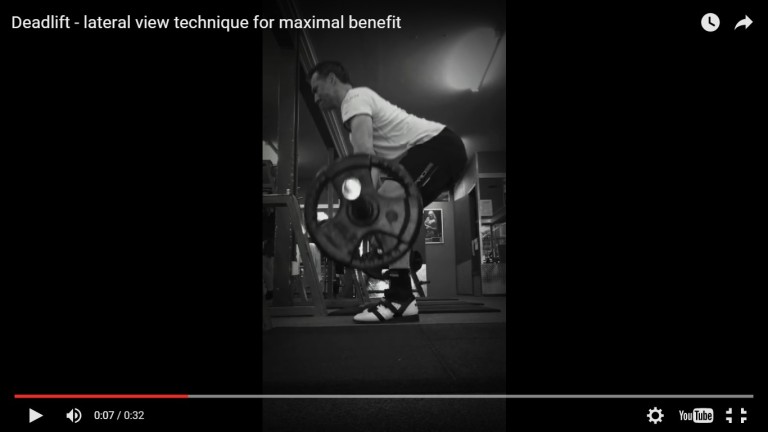
How To Do A Standard Deadlift
The standard Deadlift is one of the best exercises available to develop many of the largest and strongest muscles in the body and is essential to any resistance or strength training program. It is one of the few standard weight lifting exercises in which the start of the movement begins with ‘dead’ weight. The Deadlift is…
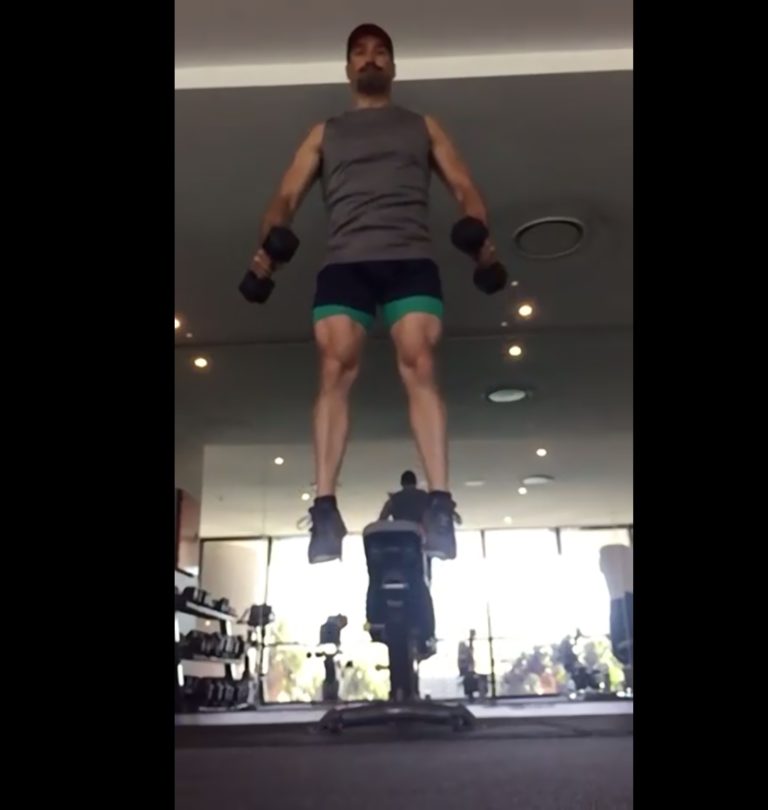
Dumbbell Jump Squats
Dumbbell Jump Squats are a very effective resistance training exercise to enhance lower body power. Attempt to generate maximum acceleration during the concentric phase (jumping up) to ensure you recruit the fast-twitch type-IIa & IIx muscle fibres. These are the fibres that atrophy with age and are accompanied by large decreases in strength and power. Be…
what is the goal of the front squat?
Hi Rani, more specific to other lifts like clean/power cleans and bar position makes it a very “quad” dominant movement as you cannot have as much hip flexion as the back squat and thus less capacity to bring in hip and back extensors to complete the movement so keeps you ‘honest’. Also a good variation on normal squats when looking for a change in programming if back squats have been performed for a long period of time.