

Resistance Training for Older Adults: 12 Evidence-Based Reasons (Part 2)
| | | |

Resistance Training for Older Adults: 12 Evidence-Based Reasons (Part 2)

In part 1 of “Resistance Training for Older Adults: 12 Evidence-Based Reasons” I outlined some of the benefits to health that have been shown to occur as a result of partaking in regular resistance training exercise. The scientific evidence supporting the inclusion of resistance training as part of a healthy lifestyle is now indisputable. Whilst…

Share this:
Ageing Muscle and the Benefits of Resistance Training: What Did We Know 30 Years Ago?
| |

Ageing Muscle and the Benefits of Resistance Training: What Did We Know 30 Years Ago?

Changes in morphology and function of ageing human skeletal muscle and the benefits of resistance training (35 minute read) The purpose of this literature review is to: INTRODUCTION Ageing is an inevitable consequence of all living creatures. Human beings are locomotive animals and contraction of muscular structures enable the skeletal system to move. Social expectations…

Share this:
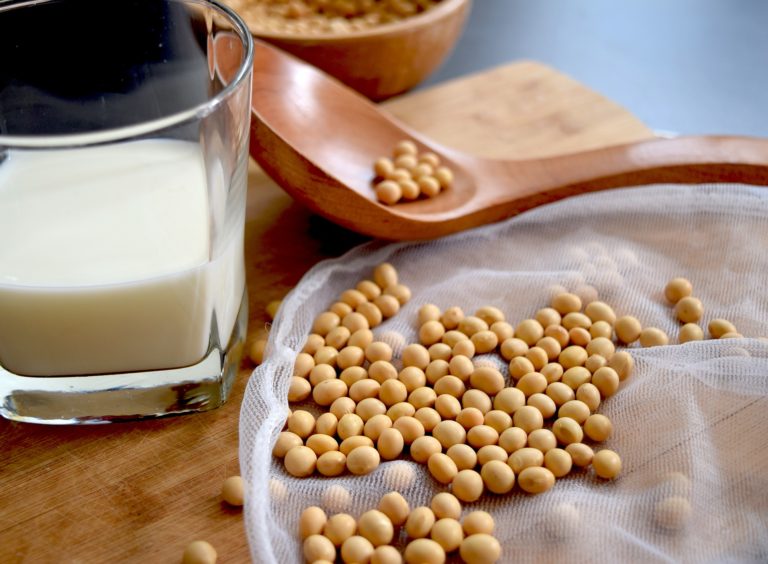
To display various dietary sources of soy
|

Does Soy Protein Really Inhibit Resistance Training-Induced Strength Gains In Older Adults? Part 2

Where Good Research Leads To Poor Interpretation In my last research article review titled “Muscle strength gains during resistance exercise training are attenuated with soy compared with dairy or usual protein intake in older adults – part 1” (see here), no additional benefit for improvements in strength, body composition, physical function, or quality of life when additional…

Share this:
| |

The Australian Physical Activity Guidelines For “Getting Stronger”: Evidence-Based or Wishful Thinking?

The development and publication of the “Australian Evidence-Based Physical Activity Recommendations for Adults (18-64 years)” by the Australian Government, The Department of Health (August 2012) promote the participation in “muscle strengthening activities” to: • Manage blood pressure, blood sugar and blood cholesterol levels. • Prevent and control heart disease and type 2 diabetes. • Improve…

Share this: